A decent chunk of our repair volume now comes from short-term rentals. That shouldn’t surprise anyone who knows Anaheim. The neighborhoods around the resort district — and the pockets of licensed vacation rentals scattered through West Anaheim and along the Harbor and Katella corridors — turn over guests every two to four days, all year long.
Here’s the thing STR hosts figure out fast, usually the hard way: a rental appliance is not a home appliance. Same machine, completely different life.
The Duty Cycle Problem
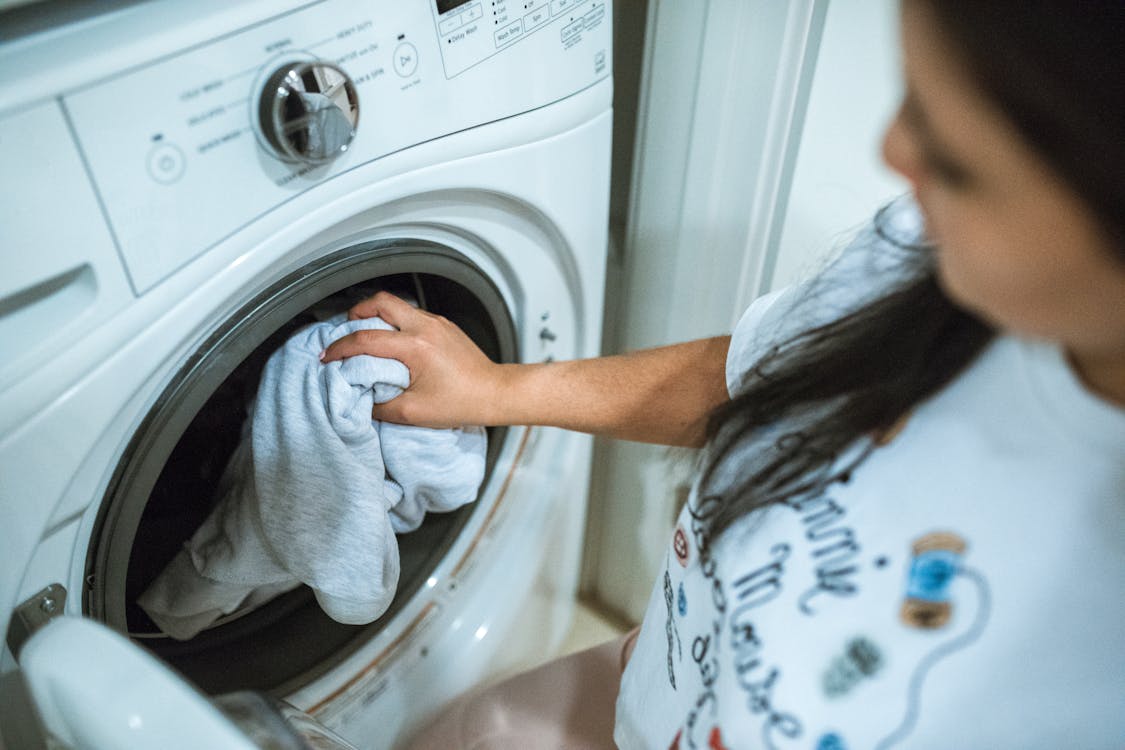
A family of four runs their washer maybe 6 to 8 loads a week. An 8-guest rental near the parks? The turnover cleaning alone is 3 to 5 loads — sheets, towels, mattress protectors — and that happens every checkout. Add guests washing swim gear and kids’ clothes mid-stay, and that washer is doing 15 to 25 loads a week. That’s a commercial laundromat schedule running on a residential machine.
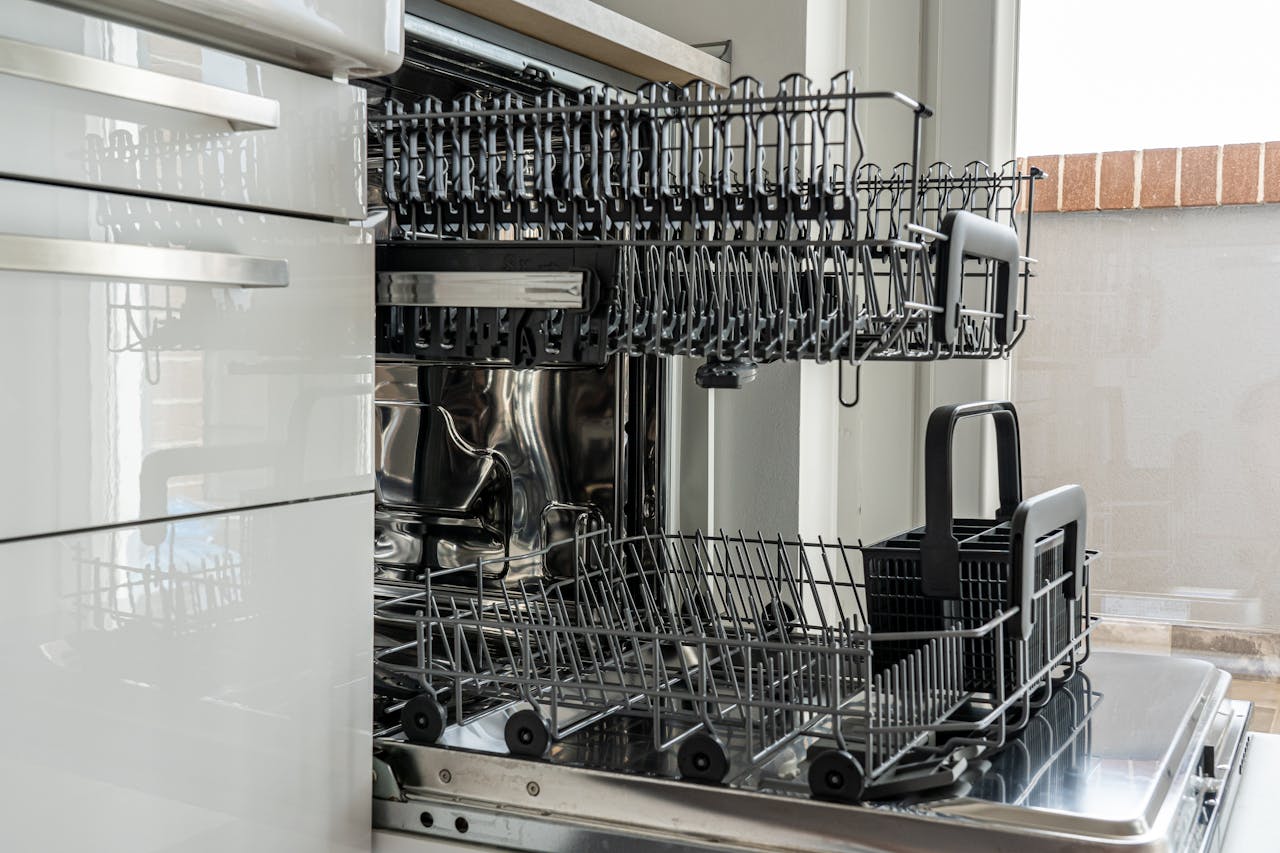
Same story everywhere in the unit. The dishwasher runs daily instead of four times a week. The fridge door opens ten times as often, which means the compressor and door gaskets work ten times as hard. The garbage disposal eats whatever eight strangers decide it should eat.
My rough rule from years of servicing these properties: an appliance in a busy Anaheim STR ages three to five years for every calendar year. A washer that would give a family 12 years gives a host 3 or 4. Plan replacements on that clock, not the one on the spec sheet.
Guests Break What They Don’t Own
Nobody babies a machine they’ll never see again. I don’t think most guests are malicious. They’re just on vacation, tired, and not reading your laminated house manual.
The greatest hits, from actual service calls:
- Overloaded washers. Eight people’s beach towels crammed into one load. The drum bearing and suspension take the beating. On front-loaders, chronic overloading kills the rear bearing — a $400+ repair that usually totals the machine.
- Foil and parchment in ovens. Foil laid on the oven floor blocks the bake element and melts onto it. On one call near Ball Road I scraped fused foil off an element that had burned through — $220 repair caused by a $3 roll of Reynolds.
- Ice maker jams. Guests jab at a jammed ice maker with whatever’s handy. Forks, knife handles, once a curling iron. Cracked augers and punctured fill tubes follow. Ice makers are the single most common STR service call we run.
- Pizza savers and toys in disposals. Also bottle caps, souvenir magnets, and an impressive quantity of Mardi Gras beads for a city nowhere near New Orleans.
- Dryer lint neglect. No guest has ever cleaned a lint screen. If your cleaner isn’t doing it every turnover, you’re building a fire hazard on a compressed schedule.
You can’t fix guest behavior. You can buy machines that survive it.
What to Buy: Durability Over Features
My honest buying advice for hosts, having seen what fails and what doesn’t:
Laundry. Skip the fancy stuff. You want a Speed Queen if the budget allows — they’re built like commercial equipment because they basically are, and the TR-series top-loaders shrug off abuse that kills everything else. If that’s too rich, a basic Whirlpool or Maytag top-loader with mechanical simplicity beats any feature-loaded front-loader in a rental. Front-loaders in STRs develop mold in the door boot because no guest ever leaves the door cracked, and the bearing issue I mentioned gets expensive. Save the heat-pump dryer for your own house; in a rental you want a simple vented electric or gas dryer with a thermal fuse I can replace in 20 minutes.
Refrigerators. Buy the plainest reliable French-door or top-freezer you can, and think hard before putting in a through-door ice and water dispenser. Dispensers are the most guest-abused component on the whole machine. An in-freezer ice maker plus a filtered pitcher eliminates half your future service calls.
Dishwashers. Mid-tier Bosch or Whirlpool. Nothing with a third rack full of clever moving parts. Guests will load it wrong regardless; you want a machine that tolerates wrong.
Skip entirely: smart appliances. WiFi-connected ovens generate confused-guest calls to your property manager at 9 p.m., and touchscreens fail years before knobs do. In a rental, a knob is a feature.
The 24-48 Hour Window
Here’s the actual difference between STR service and residential service. When a homeowner’s dryer dies, it’s annoying. When a rental’s fridge dies on a Thursday with a Friday check-in, the host is choosing between a refund, a bad review, and an emergency same-day replacement at full retail.
You cannot always control whether a machine fails. You can control whether a failure becomes a crisis. The playbook:
Keep a backup mini-fridge on site. A $150 dorm fridge in the garage means a dead refrigerator becomes an inconvenience instead of a canceled stay. Guests can keep milk and medications cold while the real repair happens on a sane schedule. This is the single highest-value $150 an Anaheim host can spend.
Stock the cheap consumable parts. For whatever models you own: an ice maker assembly ($80-$120 for most brands), a dryer thermal fuse ($10-$20), a washer inlet valve ($25-$40), a fridge water filter or two, and a disposal hex key taped to the disposal itself. When we arrive and the part is already sitting there, a two-visit repair becomes a one-visit repair. That’s often the difference between fixed-before-check-in and not.
Standardize your fleet. Hosts with three or four properties: buy the same models everywhere. One spare-parts shelf covers every unit, and I already know the machine before I walk in.
Get on a first-name basis with a repair company before you need one. We keep notes on the STR properties we service regularly — model numbers, gate codes, cleaner contact info. When Sandra picks up and the host says “the Lincoln Avenue house, fridge again,” we can roll a truck with the likely part on it. That’s how you actually hit a 24-48 hour window. Cold-calling five companies on a Friday afternoon is how you don’t.
Repair-vs-Replace Math Is Different in a Rental
For a homeowner I use the 50% rule: repair if it costs less than half of replacement. For an STR, the math has a third variable — downtime.
Say your rental grosses $350 a night and runs 80% occupancy. A washer that’s down for a week isn’t just a $450 repair decision; it’s guests doing without laundry, or a scrambling host paying a fluff-and-fold service, or a review that says “washer broken” and follows the listing forever. One knocked star on a listing near the parks costs real bookings for months. Against that, the gap between a $450 repair and a $900 new machine stops mattering much. Speed matters more.
So my STR-specific advice inverts some of my usual guidance. If a machine is past half its expected life and it fails during your busy season, replace it and keep the old one for parts. If a repair can happen inside a checkout-to-check-in gap, repair it. And replace proactively in the slow weeks — for Anaheim rentals that’s usually mid-January through early February and the September lull — instead of reactively in July when every night is booked and every appliance dealer knows it.
The Boring Secret: Turnover Maintenance
Give your cleaning crew a 90-second appliance checklist: clear the lint screen, run the disposal with cold water, glance at the fridge and freezer temps, wipe the washer door gasket, confirm the ice maker is making ice. Ninety seconds. That checklist catches probably half the failures we see before they strand a guest, because almost nothing on these machines dies without warning — it dies without anyone noticing the warning.
If you host in Anaheim and you want a repair company that understands a check-in deadline is a real deadline, call us at (714) 243-8415. We do same-day service Monday through Saturday, the $89 diagnostic is waived with any repair, and if you tell Sandra it’s a rental with guests arriving, she’ll treat it that way.
— Andrew Heimer, Anaheim Appliance Repair